Take the Lead on Climate
It’s never too early or too late to start carbon accounting. The time to act is now.
Climate Risk, Climate Opportunity

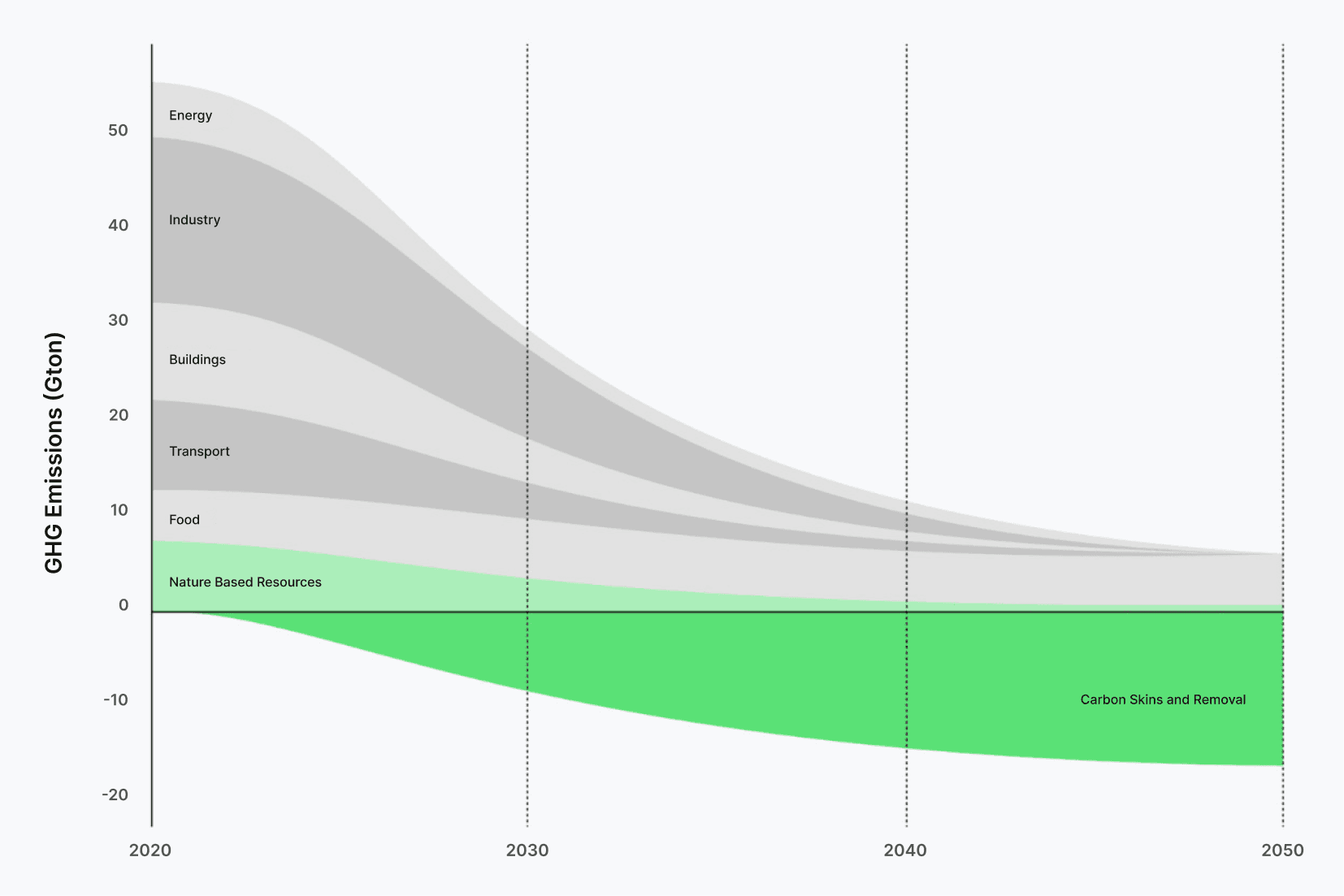
Scientists and policymakers have agreed to limit the harmful effects of climate change — the world must limit global warming to less than 1.5°C. Since the industrial revolution, businesses have been responsible for the vast majority of emissions. Now, businesses can lead the way to a sustainable future. In line with the Paris Agreement, we must take responsibility for our carbon footprint.
Why Now? The World is Changing.
The world is transitioning to a net-zero economy. Banks, investors, and consumers demand transparent carbon disclosures. Proactive emissions management reduces the risk of compliance failures, saves operational costs, and increases brand equity. However, this work must be founded on accurate emissions data, which is often hard to find.
Compliance
Poor carbon reporting can expose your company to lawsuits, loss of revenue, and reputational damage. Detailed, comprehensive, and Green House Gas Protocol-aligned reporting ensures compliance with today’s regulations and prepares you for future ones.
Finance
Without a reliable emissions baseline, it’s impossible to verify reduction initiatives. Rigorous and transparent calculations protect your business from accusations of greenwashing and ensure sound reporting.
Brand Equity
Sustainability can boost brand equity both internally and externally. Recruit and retain engaged employees with an evidence-based sustainability strategy. Attract consumers by positioning your brand as an industry leader in environmental action.
